The beaches and coves of Datça
There are 27 beaches and coves along the Datça peninsula, each with its own character. Which suits families, which is best for windsurfing, which has the clearest water — all in one page, with distances and map links.
The town centre and around
Kumluk Beach
The main sandy beach of Datça town. Cafés, restaurants and the marina are right behind you. The sand is soft and the water shallow, which suits families with children. It is the busiest spot in summer, so early mornings are calmer.
Taşlık Beach
A rocky shoreline beside the marina, looking onto Kent Park. Together with the neighbouring soda lake it offers a quieter alternative right in town. Water shoes make it much easier.
Hastanealtı Beach
Within walking distance of the centre and a 2026 Blue Flag beach. The northerly wind keeps the water cooler than elsewhere, which makes it a favourite on hot days and popular with windsurfers.
Saklı Koy
A small cove below the meteorology station, reached down a flight of steps. Despite being so close to town most visitors never notice it, which is exactly why it stays quiet.
Yedi Kat Beach
A rocky entry point in the İskele district, close enough to walk to from the centre. Ideal for a short cooling-off break away from the crowds.
Kargı Cove
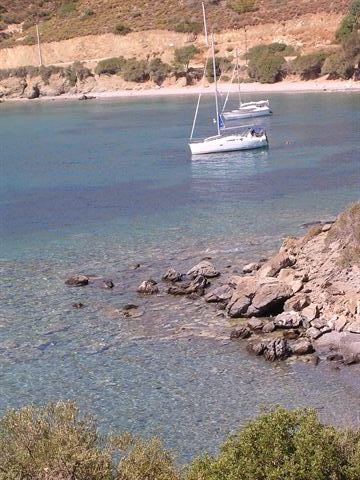
The closest escape from town, known locally as the gateway to the sea. A sheltered, spotless cove shaded by eucalyptus trees. A few minutes by car, and walkable too.
Mandalya Cove
A pebble cove just before Kargı. There is a beach bar on the shore, which makes it a practical choice if you want to stay all day.
The famous southern coves
Palamutbükü
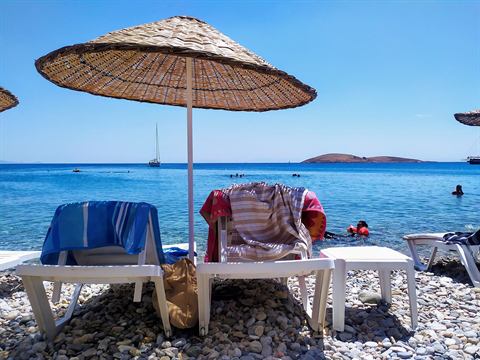
The first place that comes to mind when people say Datça, and the liveliest cove in the south. The pebble shore keeps the water astonishingly clear, though it deepens quickly. Fish restaurants and guesthouses line the seafront.
Ovabükü Cove
A calm cove of mixed sand and pebbles, well known for its restaurants. Ideal if you want to swim all day and have dinner right on the shore. The water deepens quickly here too.
Hayıtbükü
The most sheltered of the three southern coves and a favourite with families thanks to its shallow water. Protected from the wind, the sea is usually mirror-flat, and the sunset here is something else.
Kızılbük (Gabaklar)
The most isolated of the three. The final stretch is a rough track, so the crowds never make it here — you often get the sheltered sand-and-pebble shore to yourself.
Gerence Cove (Aquarium)
A cove on the Palamutbükü side, nicknamed the Aquarium for how clear the water is. One of the regular swimming stops on the boat tours.
Coves at the western tip
Bağlarözü (Yazıköy Beach)
A quiet shore reached through almond groves, close to Knidos. The most practical place to cool off after visiting the ancient city.
Merdivenli Cove
An extraordinary cove between Mersincik and Knidos, where 2,500-year-old stone steps lead down to the sea. Reachable only on foot or by boat — one of the most special spots on the peninsula.
Murdala Cove
A very quiet cove at the end of a dirt road leading off from Cumalı village. The rough access keeps it empty most of the time; a higher-clearance vehicle helps.
Gıynap Cove
One of the peninsula's lesser-known coves. There is next to nothing in the way of facilities, so bring your own food and water.
Domuz Çukuru
A famous cove that is very hard to reach by land and is normally visited by boat. There is bungalow accommodation on the shore, and it is a classic stop on the blue cruise route.
The sandy beaches to the east
Karaincir Beach
Belonging to Emecik village, its wide sandy beach and long shallow stretch make it one of the easiest beaches for families and beginner swimmers. The water warms up quickly in the sun.
Perili Köşk Beach (Güllük)
A little-known beach right next to Karaincir, named after the mansion nearby. The water is aquarium-clear, making it a good alternative to Karaincir if you want fewer people.
Aktur Camping
A 2026 Blue Flag campsite shore in the Aktur area on the Bozburun road. Well kept, calm and comfortable for a full day.
Aktur Holiday Village
The 2026 Blue Flag beach of the Aktur holiday village. Although it is a private facility, Turkish coastal law keeps access to the shore itself open to everyone.
Billurkent
The 2026 Blue Flag shore of the resort at Kızlan. Tidy, clean and largely sheltered from the wind.
Uşaklılar Site Beach
A residential-site shore towards Kızlan. Close to town and quiet, a practical option if you would rather skip the busy beaches.
Coves on the northern shore
Gebekum Nature Park
The dune area near Kızlan. Its protected nature-park status has kept the landscape intact, and the constant wind makes it a regular haunt for surfers.
Mersincik Cove
A natural harbour on the Aegean, Gökova side of the peninsula. A broad cove where the blue-cruise boats shelter, protected even in winter.
Kızlan Gereme Cove
A rocky cove behind the wind turbines. The poor road keeps it empty most days — a favourite with those who like the wind, and with photographers.
Kurubük
One of the most photogenic coves, turquoise and completely undeveloped. There is no shade and no kiosk, so bring your own parasol and water — and take your rubbish back with you.
Before you head to the beach
Under Turkish coastal law every shoreline is public property. Private facilities may charge for services such as sunbeds and parasols, but they cannot block access to the shore itself.
Practical notes
The southern coves (Palamutbükü, Ovabükü, Hayıtbükü) are 17–25 km from town along a winding road. Rather than rushing through all of them in a day, pick one and stay a while.
Water shoes make a real difference on the pebble coves — Palamutbükü, Taşlık and Kızlan Gereme in particular.
In July and August the town beaches fill up by early afternoon. Going early, or heading to the southern coves, is the easy fix.
Coves such as Murdala, Gıynap and Kurubük have no shops, kiosks or shade. Bring water, a hat and sunscreen — and take your rubbish back with you.
Merdivenli and Domuz Çukuru are hard to reach by land — a boat tour is the practical way to see them.
Photo Credits
- Datça Yarımadası'ndaki koylar — Maderibeyza at Turkish Wikipedia, CC BY-SA 3.0 · Wikimedia Commons
- Palamutbükü — Tevfik Teker, CC BY-SA 4.0 · Wikimedia Commons
- Kargı'dan Derya görünüşü - panoramio — tavsancilli, CC BY 3.0 · Wikimedia Commons